
Published October 5, 2026
Renovate or Move? Why More Toronto Homeowners Are Staying Put This Fall

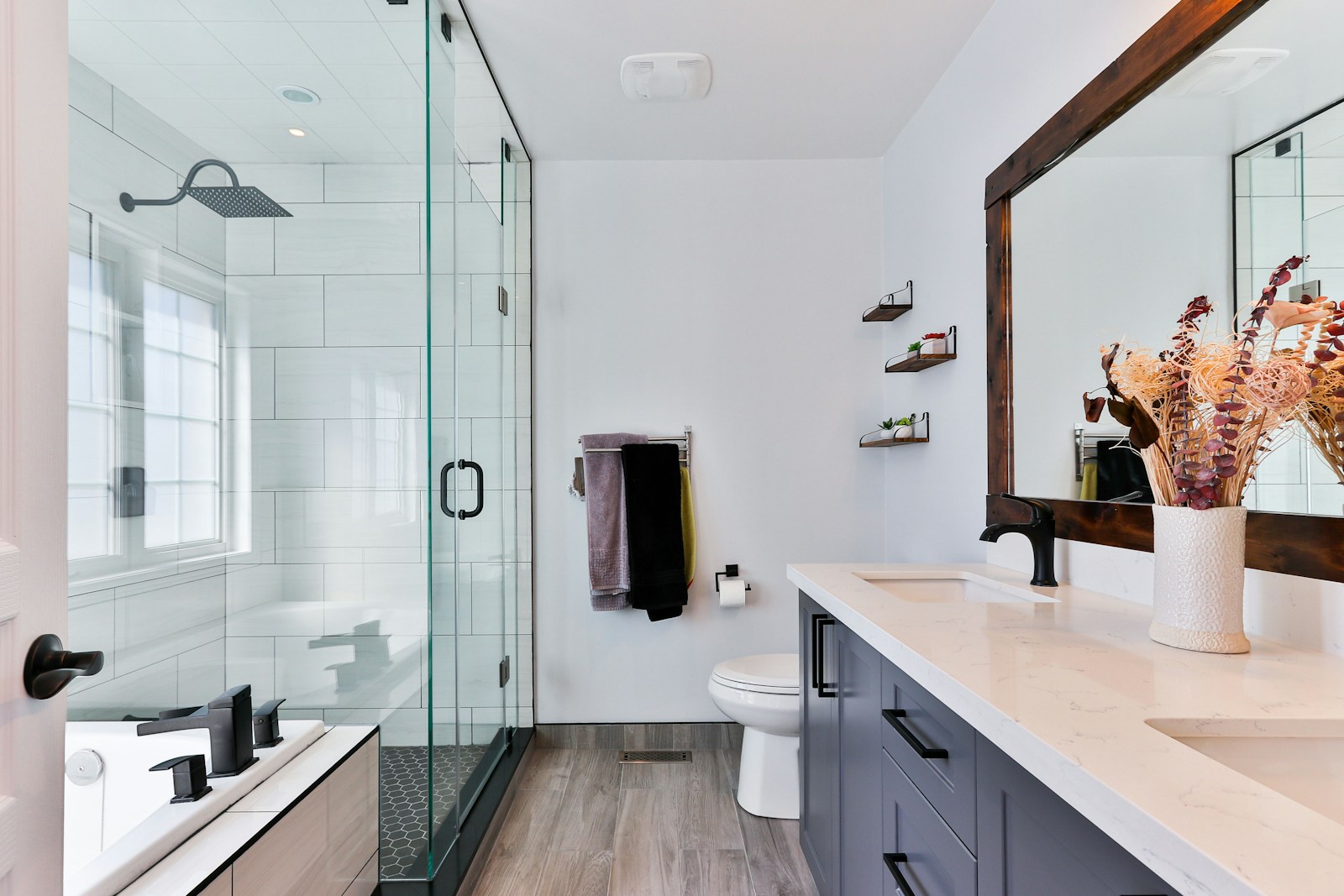
More Toronto homeowners who were planning to upsize, downsize, or move are choosing to renovate instead. New reporting from NOW Toronto, paired with the latest GTA sales data and a jump in fixed mortgage rates, explains why. It also shows why "stay and renovate" is not automatically the cheaper or smarter call.
What is happening
A Toronto contractor told NOW Toronto that her firm has seen about a 10 per cent increase in renovation inquiries over the past year from families who were originally thinking about selling. The reasons they give are consistent: they are locked into lower mortgage rates from a few years ago, they do not want to pay land transfer tax and selling costs, and they are not sure prices have bottomed.
The market data backs up that hesitation. TRREB reported 5,057 GTA home sales in August 2026, down 2.1 per cent from August 2025, with new listings down 14.1 per cent and the average selling price at $993,410. Early September tallies reported by Move Smartly point the same way: GTA house sales down about 10 per cent year over year, condo sales down about 8 per cent, and new listings down about 14 per cent for both.
In other words, sellers are stepping back alongside buyers. Fewer people are listing, and many of the ones who would have listed are putting that money into the home they already own.
Why rates are a big part of the story
Fixed mortgage rates have moved up with long-term bond yields, into the mid-4 per cent range according to the same September analysis. If you renewed or bought in 2020 or 2021 at a much lower rate, moving means giving that rate up and borrowing again at today's cost.
That is the "locked in" effect, and it is real. But it is only one line in the math.
The true cost of moving in Toronto
For a buyer in the City of Toronto, land transfer tax is charged twice: once by Ontario and once by the city. On a purchase around $1,025,000 (close to September's median GTA house price), the combined Ontario and Toronto land transfer tax works out to roughly $34,000 before any first-time buyer rebate. Add legal fees, moving costs, and selling costs on the home you leave, and the all-in cost of a move can easily land in the tens of thousands.
That number is why a renovation looks attractive on paper.
The true cost of renovating right now
Renovating has gotten more expensive too. The contractor quoted by NOW Toronto said some projects cost $15,000 to $25,000 more than a year ago, and basement renovations have gone from about $40,000 to about $70,000. Tariff-exposed materials such as steel, aluminum, cabinetry, and fixtures can change price between quote and install, and skilled trades are in short supply.
Older Toronto homes add risk. Outdated wiring, plumbing, asbestos, and water damage often only show up once a wall is open. Her advice was a 10 to 20 per cent contingency on top of the budget and a locked scope and design before work starts. Permits can take months, and living through a kitchen or bathroom renovation with kids is a real cost even if it never shows up on an invoice.
Renovate or move: a simple way to decide
Renovating usually makes more sense when:
- You love the neighbourhood and the school. The problem is the layout or the finishes, not the location.
- Your mortgage rate is meaningfully below today's. Keeping it is worth real money every month.
- The renovation adds resale value. Kitchens, bathrooms, and functional space like a legal or well-finished basement tend to hold value. Highly personal design choices often do not.
- The total budget, including contingency, stays well below what the finished home would be worth. Over-improving for the street is the most common trap.
Moving usually makes more sense when:
- You need a different location, more land, or a different home type. No renovation fixes a lot size or a commute.
- The renovation budget gets close to the price gap between your home and the one you actually want. At that point you may be paying to build a home you could buy.
- Your life is changing in the next few years. A growing family, a downsizing move, or a job change can make a big renovation a short-term fix.
- You can buy while choice is still wide. With new listings down but sales also soft, buyers still have room to negotiate in many segments.
What this means if you are buying or selling
If you are a seller, fewer competing listings in many neighbourhoods can work in your favour. Homeowners who stay put are taking inventory off the market. A well-prepared, well-priced listing can stand out more than it would in a crowded spring.
If you are a buyer, the homeowners renovating instead of selling are part of why the market feels thin in some pockets and slow in others. That makes neighbourhood-level comparables more important than headline averages.
How The Starke Group helps you run the numbers
The right answer is rarely "always renovate" or "always move." It is a side-by-side comparison: what your home is worth today as is, what it would realistically be worth after the work, what your next home would cost all in, and what each option does to your monthly payment.
The Starke Group helps Toronto homeowners put those numbers on one page, using current local comparables, before they commit to a contractor or a listing date. If you are weighing a renovation against a move this fall, reach out and we will help you see both paths clearly.
Sources: NOW Toronto on homeowners renovating instead of moving, TRREB August 2026 Market Watch, Move Smartly September 2026 GTA sales update.
